
Top Reasons to Install Heat Detection Devices Today
Within this framework of prioritising safety and being proactive with risk management, state-of-the-art heat detection devices are gaining increasing importance for property owners. By contrast, heat detectors have been designed to respond either to rapid changes in the ambient temperature or to the presence of a fixed high heat; therefore, they become indispensable in an environment where smoke-based alarms would serve little purpose or would constantly be prone to false alarms. From kitchens to garages, boiler rooms, and even industrial workshops, these devices form a robust line of defence against fire. This provides timely warnings that can avoid damage on a catastrophic scale and ensure life preservation. For an all-rounded approach to fire safety, this shall include the incorporation of such specialised sensors in a professionally installed system, such as a certified Fire Alarm Manchester solution, able to afford you the best protection against fire hazards, tailored for particular risks and layouts of your property.
Reduction of False Alarms and Nuisance
Another of the biggest positives concerning heat detectors is that they are resistant to common causes of false alarms. The same smoke detectors could be set off by burning toast, steam from a shower, or even dust created during construction work, contributing to complacency in the case of an actual emergency. Obviously, these all pass right over the heat detectors. They will only go off when an actual heat source meets their particular triggering criteria, usually a fire. This general reliability ensures that when an alarm does go off, it requires immediate and serious attention. It thereby maintains the integrity of your fire alarm system and ensures occupants respond appropriately to a genuine threat.
Comply with all insurance and safety requirements.
Most business insurance policies and UK fire safety legislation (for example, the Regulatory Reform (Fire Safety) Order 2005) demand a suitable and sufficient fire risk assessment, which for most businesses would include the installation of appropriate detection systems in all relevant areas. The installation of heat detectors in areas considered to be specifically high-risk or to present particularly difficult environments is a prudent way to ensure due diligence and compliance with relevant legislation. Having a certified system can have a positive impact on your insurance premiums, too, where insurers recognise the reduced risk associated with a professionally designed and installed fire detection system that minimises the possibility of extensive fire damage.
Integration with Comprehensive Fire Alarm Systems
The benefits of a standalone heat detector are few and far between; the value comes when it’s part of a full fire alarm system. In an interconnected system, one heat detector going off in a garage can trigger alarms throughout a property to alert people in all areas. This system can also be set up to automatically report back to a monitoring centre and initiate further fire safety operations that may include the closing of fire doors or the activation of a suppression system. This all adds up to a well-thought-out, intelligent safety network whereby a local event will ensure that the response is building-wide, maximising valuable evacuation time and minimising the overall impact of the fire.
Perfect for Vacant and High-Risk Areas
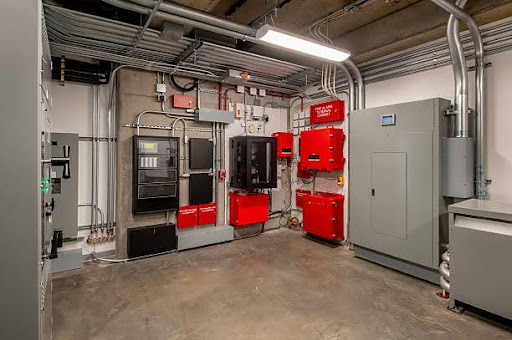
Areas in a building may be uninhabited but pose a great fire hazard. The boiler room, electrical cupboards, plant rooms, and attics are just a few examples. These could have faulty wiring, overheating machinery, or highly flammable materials that could host a fire. A fire originating in such areas could develop significantly before it is noticed. What would be ideal for these locations is heat detectors that offer watchful, continuous monitoring. An ability to operate dependably without going off from the normal dust or humidity present in such areas makes them the appointed choice for protecting these neglected, high-risk areas of any building.
Conclusion
In conclusion, the installation of heat detectors is an intelligent and essential investment in safety. With their unparalleled ability to perform dependably outside the realms of smoke detection, with their role in helping reduce false alarms, and all the way to the protection of property and ensuring compliance with regulatory requirements, they are today a need that has to be met. When integrated correctly into an extended alarm system, they provide robust early warning defence with the capability to save lives and prevent disastrous financial losses. In this very vital mission of fire safety, heat detectors add a specialised, dependable, highly effective layer of security that no property should go without.