
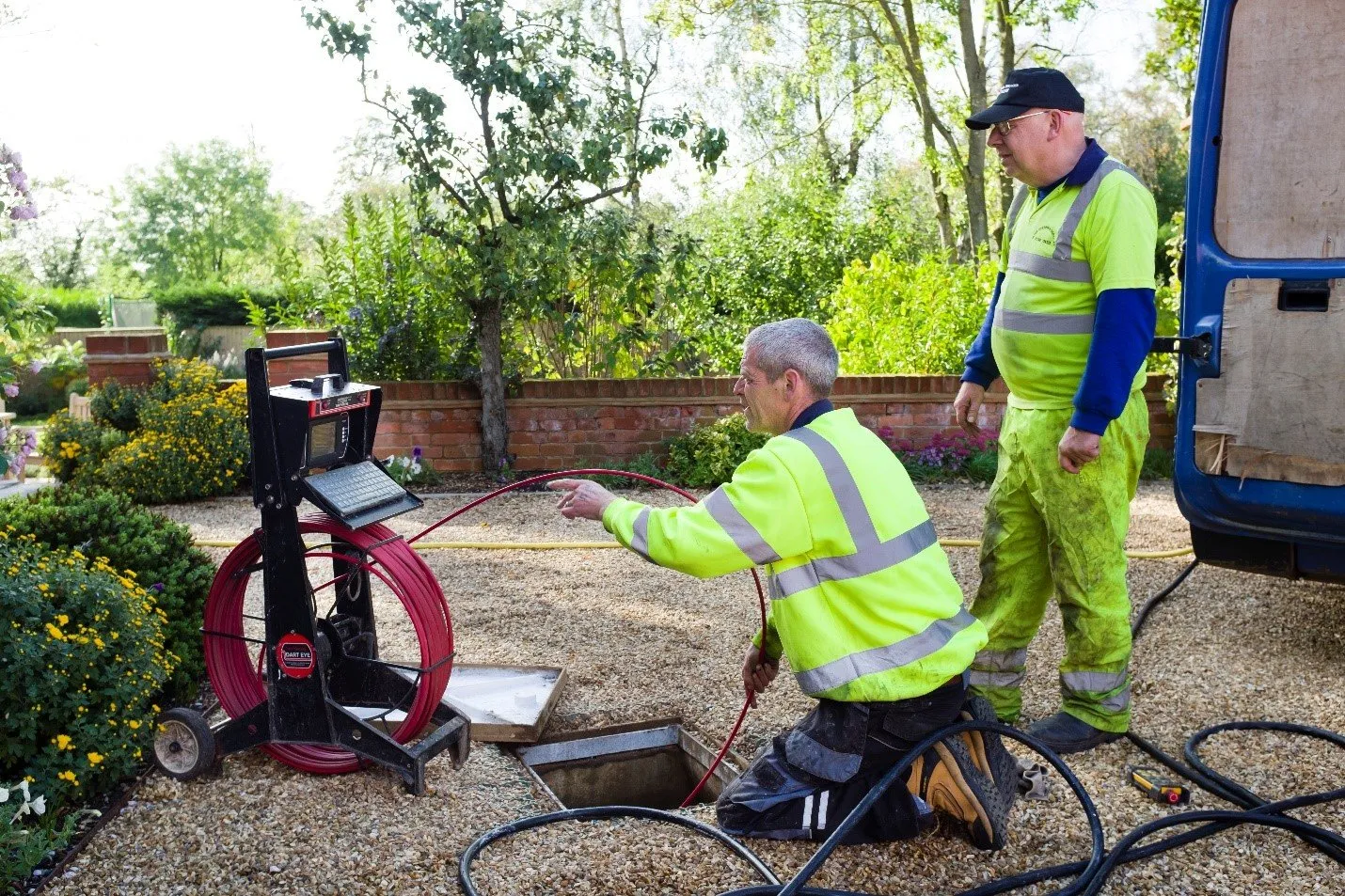
Choosing the Right Sewer Camera for Different Pipe Sizes
Selecting the appropriate inspection equipment is crucial for accurate and efficient pipeline maintenance. Pipelines vary in diameter, material, and configuration, making it essential to choose the right sewer camera for the task at hand. Using an improperly sized camera can result in incomplete inspections, damage to the equipment, or missed defects. Understanding the relationship between pipe size and camera capabilities ensures thorough inspections and reliable results.
A reliable sewer camera allows technicians to navigate various pipe sizes while capturing high-quality video footage for diagnostics. These cameras come with different cable lengths, camera head diameters, and flexible designs to accommodate everything from small residential drains to large municipal sewer lines. Matching the camera specifications to the pipe size is essential for effective inspection and accurate problem detection.
Small-Diameter Pipes
Small-diameter pipes, commonly found in residential properties, include kitchen and bathroom drains, typically ranging from 1.5 to 4 inches. Cameras designed for these pipes have compact heads and highly flexible cables, allowing them to maneuver through tight bends and narrow passages. High-resolution imaging is particularly important in small pipes, where minor blockages or corrosion may not be easily visible. Choosing a camera suited for small pipes ensures that inspections are thorough and potential problems are not overlooked.
Medium-Diameter Pipes
Medium-diameter pipes, often found in main household sewer lines or small commercial systems, usually range from 4 to 8 inches. Cameras for these pipelines should combine flexibility with durability, as they may need to navigate longer distances and handle moderate bends. Pan-and-tilt functionality is beneficial in medium-sized pipes, allowing technicians to inspect the interior thoroughly without repositioning the camera multiple times. Selecting a camera with these features enhances efficiency and accuracy during inspections.
Large-Diameter Pipes
Large-diameter pipelines, such as municipal sewer mains or industrial drainage systems, often exceed 8 inches in diameter. Cameras for these pipelines require sturdier construction, longer cable lengths, and higher-intensity LED lighting to illuminate the extensive interior space. Some systems offer remote-controlled pan-and-tilt or even robotic capabilities, enabling inspection of long stretches of pipe without requiring frequent manual adjustments. Using a camera designed for large pipes ensures comprehensive coverage and reliable detection of structural issues or blockages.
Cable Length and Flexibility
The length and flexibility of the camera cable are important considerations when choosing a sewer camera for varying pipe sizes. Short, highly flexible cables are ideal for small residential pipes, while longer, reinforced cables are necessary for larger or extended pipelines. The right balance between flexibility and durability allows the camera to navigate bends without damaging the equipment or compromising image quality.
Lighting and Image Quality
Lighting is another critical factor, especially in larger or older pipes that may be darker or more obstructed. High-intensity LED lights help illuminate the interior, making it easier to detect cracks, corrosion, and blockages. Cameras for small pipes require precise lighting that avoids glare, ensuring clear images in tight spaces. Image quality, combined with appropriate lighting, is essential for accurate diagnostics across all pipe sizes.
Compatibility with Software and Reporting Tools
Modern sewer cameras often integrate with digital software for recording, reporting, and data management. Choosing a camera compatible with such tools allows technicians to document inspections, create maintenance reports, and track pipeline conditions over time. This is particularly valuable for larger systems or commercial operations where detailed records are necessary for maintenance planning and regulatory compliance.
Conclusion
Selecting the right sewer camera for different pipe sizes is essential for effective inspections, accurate diagnostics, and efficient maintenance. By considering pipe diameter, camera head size, cable length, flexibility, lighting, and software compatibility, technicians can ensure that inspections are thorough and reliable. Matching the camera to the specific needs of the pipeline not only improves detection of blockages and structural issues but also enhances overall efficiency and reduces repair costs. Proper equipment choice is a key factor in maintaining long-term pipeline health and performance.