Techniques for Mixing and Applying Mica Powder Pigment
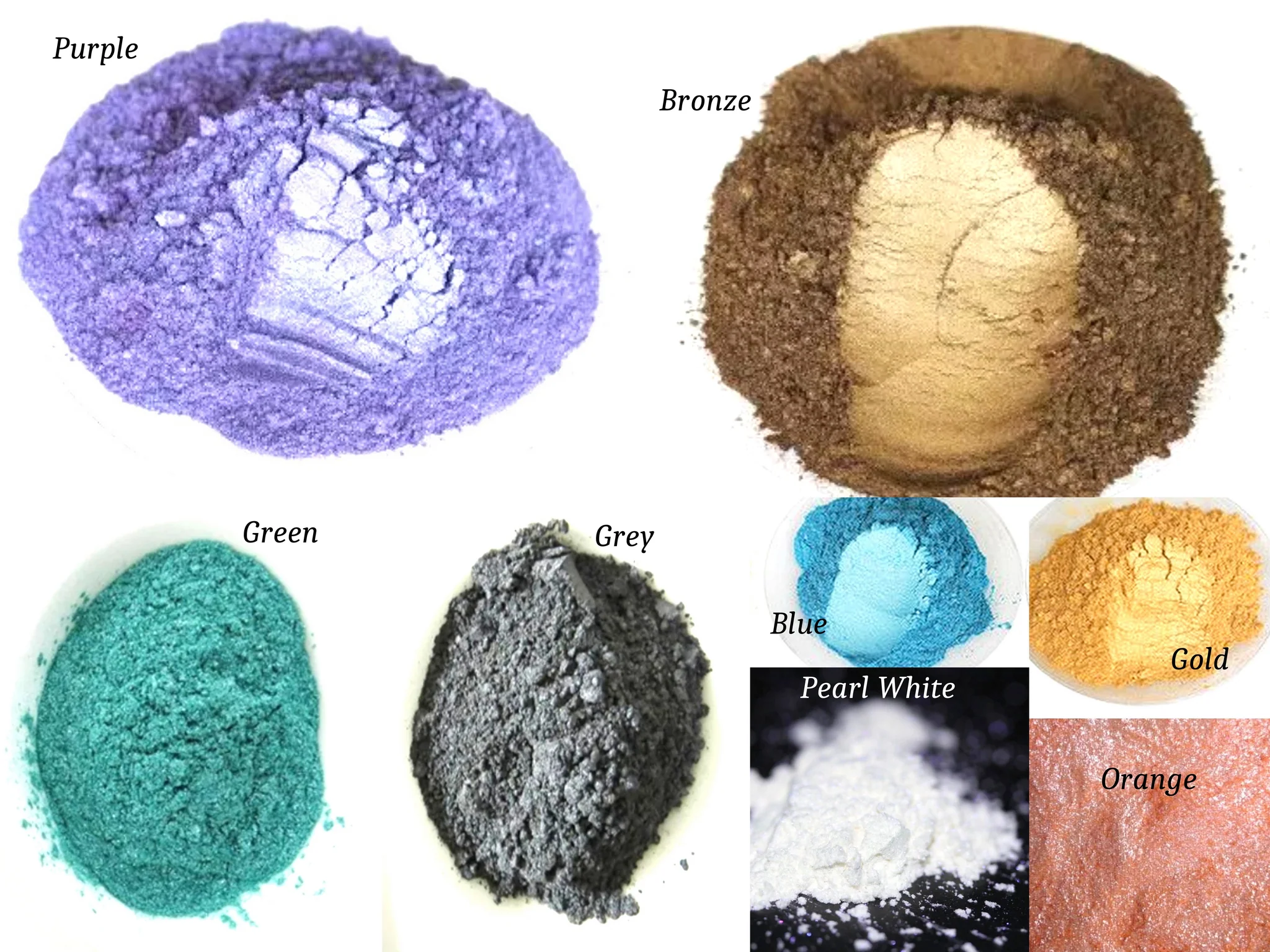
Mica powder pigment is a versatile and visually striking material used to enhance a wide range of creative and decorative projects. Known for its shimmering, pearlescent effects, mica powder pigment adds depth, elegance, and sophistication to surfaces, making it a favorite among artists, crafters, and designers. For consistent, high-quality results, Mica Powder Pigment provides vibrant colors, stable performance, and compatibility with various mediums.
Understanding Mica Powder Pigment
Mica powder pigment is produced by grinding natural mica flakes and coating them with thin layers of metal oxides such as titanium dioxide, iron oxide, or chromium oxide. This process allows the pigment to reflect and refract light, creating pearlescent or metallic effects that enhance visual appeal. Unlike traditional pigments, mica powder pigment achieves its impact through optical properties, adding multidimensional color and shimmer to projects. Its fine texture makes it ideal for blending, layering, and achieving uniform effects across a wide variety of mediums.
Mixing Techniques for Mica Powder Pigment
Proper mixing is essential to achieve smooth, even, and vibrant results with mica powder pigment. The technique used will depend on the medium in which the pigment is being incorporated.
1. Dry Mixing
Dry mixing involves combining mica powder pigment with other dry powders, fillers, or pigments before adding a liquid medium. This technique ensures uniform color distribution and prevents clumping. It is commonly used in polymer clay, powdered paints, and decorative powders.
2. Wet Mixing
For applications in resins, acrylics, varnishes, or paints, wet mixing is preferred. Add the mica powder gradually to the liquid medium while stirring continuously to ensure complete dispersion. Using a whisk, spatula, or electric mixer helps achieve a smooth and consistent blend, preventing streaks or uneven shimmer in the final product.
3. Layered Mixing
Layered mixing involves applying mica powder pigment in multiple thin layers, allowing for gradual buildup of color and shimmer. This technique is particularly useful in resin art, acrylic painting, and varnishing, as it provides depth and multidimensional effects. Layering also allows for creative blending of different colors to produce unique, custom finishes.
4. Blending with Other Pigments
Mica powder pigment can be combined with other pigments, dyes, or powders to create unique shades and effects. When blending, it is essential to mix thoroughly and test the color before full application to ensure compatibility and achieve the desired outcome. This approach is commonly used in cosmetics, custom paints, and resin art.
Application Techniques for Mica Powder Pigment
Once mixed, mica powder pigment can be applied using several methods, depending on the project type and desired effect.
1. Brush Application
Brushes are ideal for detailed or localized application of mica powder pigment. Artists often use brushes to highlight specific areas, create gradient effects, or add shimmer to painted surfaces, clay projects, and decorative finishes. Soft, synthetic brushes work best to avoid disrupting the pigment’s reflective properties.
2. Spatula or Palette Knife
For thicker mediums such as resin, polymer clay, or textured paints, applying mica powder pigment with a spatula or palette knife allows for controlled spread and layering. This method is effective for creating swirls, marbling, and other decorative patterns.
3. Spray or Airbrush
Mica powder pigment can be mixed with a compatible medium to create a fine spray for even, broad coverage. Airbrushing is particularly useful in automotive coatings, murals, or large decorative surfaces, providing a smooth, metallic sheen.
4. Dusting and Sprinkling
For subtle shimmer effects, mica powder pigment can be lightly dusted or sprinkled onto wet or tacky surfaces. This technique is popular in crafts, soap making, and resin art, where a delicate shimmer is desired without fully blending the pigment.
5. Embedding and Encapsulation
In resin, gel, or clear mediums, mica powder pigment can be embedded or encapsulated to achieve floating, layered, or suspended effects. This approach adds depth and dimension, making decorative pieces visually striking.
Tips for Best Results
- Test First: Always perform a small test to check color intensity, shimmer, and compatibility with your medium.
- Control Pigment Amount: Adjust the quantity of mica powder pigment for subtle or bold effects.
- Ensure Even Dispersion: Use proper mixing tools to avoid clumping or streaking.
- Layer Gradually: Apply mica powder pigment in layers to create depth and multidimensional effects.
- Seal or Varnish: For long-lasting results, protect the finished surface with a compatible sealant or topcoat.
Conclusion
Mica Powder Pigment is an essential material for enhancing art, crafts, and decorative applications with shimmer, depth, and sophistication. Proper mixing and application techniques, including dry and wet blending, layering, brushing, spraying, or dusting, ensure vibrant and professional results. By understanding how to incorporate mica powder pigment effectively, artists, crafters, and designers can transform ordinary surfaces into visually striking, multidimensional creations that stand out for their elegance and quality.
Whether used in resin art, painting, polymer clay, or large decorative projects, mica powder pigment provides unmatched versatility, aesthetic appeal, and durability, making it a must-have tool for creative professionals and hobbyists alike.